Pest
Rats in Brussels: how to recognise and get rid of them
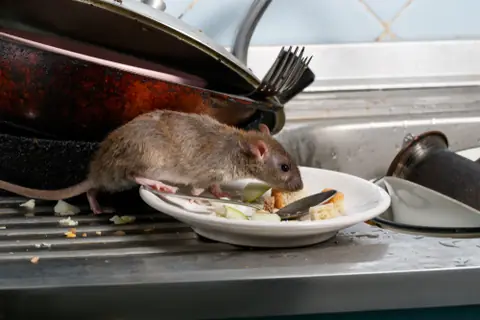
The rat is the most dreaded pest in the city. In Brussels, it takes advantage of sewers, cellars, courtyards and badly closed waste. Knowing how to recognise it and understanding its habits means you can act quickly and in the right place.
Brown rat or black rat?
The brown rat (Norway rat, sewer rat)
The most common species in towns. Stocky body, rounded snout, small ears, tail shorter than the body. A good swimmer and burrower, it lives in sewers, digs burrows in courtyards and gardens and occupies ground floors and cellars.
The black rat
Slimmer, with a pointed snout, large ears and a tail longer than the body. An excellent climber, it tends to occupy upper floors, attics and suspended ceilings. It is less common than the brown rat.
This distinction matters: control measures are not placed at the same level of the building depending on the species.
Signs of activity
- Spindle-shaped droppings about 1 to 2 cm long
- Gnaw marks: bags, cables, wood, insulation
- Burrows at the foot of walls, under paving slabs, in banks
- Worn runs and greasy smears along walls
- Scurrying or scratching noises at night
- Bins and bags torn open in courtyards
Why you should act quickly
A female can have several litters a year: a small presence quickly becomes a colony. Rats damage electrical cables and pipes, contaminate food and can transmit diseases, particularly through their urine. In an apartment building, they move through ducts and cellars and quickly reach several flats.
How we get rid of rats
Our rodent control service combines an inspection of the premises, the choice of suitable methods (traps, secure bait stations, localised treatments), proofing of entry points and a check of effectiveness. In apartment buildings, we work with the managing agent to treat the common parts, which are often the source of the problem. To book a visit, contact our pest control company in Brussels.
Rats and sewers in Brussels
The Brussels sewer network is managed by Vivaqua, which runs its own rat control campaigns in the public sewers. When rats come up into a building through the pipes, the treatment covers the building, its connections and its private surroundings: non-return valves, grates, inspection chambers, joints. Remember: in the Brussels-Capital Region, private individuals may not use rat poison themselves. See our article rat poison in Brussels.
For the situation in the centre, Laeken and Neder-Over-Heembeek, see our page on rats in the City of Brussels. In a rented home, whether rodent control is paid by the landlord or the tenant depends mainly on the source of the infestation.
Pest problem?
Free inspection, no obligation. We usually come out within 24 to 48 hours, emergencies 24/7.
Frequently asked questions
I saw a rat once: should I be worried?
A rat seen in broad daylight often indicates a population that is already established or has been disturbed. Check for signs (droppings, burrows, gnawing) and contact us for an inspection.
Are shop-bought traps enough?
For a single rat, sometimes. Against a colony, they are not enough unless they are placed in the right spot and the entry points are closed. See our article on rat traps.
Who has to pay for rodent control in an apartment building?
It depends on the source of the infestation, the lease and the building's rules. For the common parts, it is generally the co-owners. If in doubt, ask your managing agent or your landlord.
Request a free inspection
The inspection is free and comes with no obligation. Describe your situation: we will get back to you quickly and usually come out within 24 to 48 hours. For an emergency, call us: we can be reached 24/7.
- +32 479 01 98 38
- contact@deratisation-bruxelles.com
- Mon–Fri 8 am–8 pm · Emergencies 24/7